



Diabetes care at home
Consultus provides personalised diabetes care and diabetes care at home, helping people manage their individual needs while remaining safe, comfortable and independent at home. Our experienced carers offer tailored support with daily routines, personal care, medication and companionship, helping clients maintain their wellbeing and quality of life.
Whether someone needs occasional assistance with everyday routines or more comprehensive diabetes live-in care, the right support can make managing the condition at home easier and more reassuring. Our approach is tailored to the individual person, helping them follow their diabetes management plan while retaining as much independence, choice, and familiarity as possible.
.png?size=md)
Overall rating:
- Good
All 5 domains rated Good
Established since 1962
Independently inspected - managed service
What is diabetes care at home?
Managing diabetes can be complex. At Consultus Care and Nursing, we offer personalised diabetes care at home that supports individuals living with the disease from the comfort and familiarity of their own home. Our live-in carers have been providing diabetes care in the UK for over 20 years, offering peace of mind to families.
Our dedicated team of live-in carers and nurses work with you to create a care plan suited to your needs, helping you or your loved one manage the condition with confidence.

Arrange a call back
Between work, family, and everything else, we know how hard it can be to find a quiet moment. There's no pressure and no rush — simply request a callback, and one of our friendly Care Advisors will call at a time that's right for you.
What is diabetes?
Diabetes is a long-term condition that affects the way the body regulates blood glucose (sugar). It is common in the UK, with almost 6 million people currently living with diabetes. Around 90% of people with a diabetes diagnosis have Type 2 diabetes, while around 8% have Type 1 diabetes, according to Diabetes UK.
Diabetes is particularly common among older adults. Diabetes UK reports that more than 1.3 million people living with diabetes in the UK are over the age of 70, with almost 40% of people with Type 2 diabetes aged over 70.
With more than 5.8 million people in the UK living with diabetes, managing the condition is part of everyday life for millions of families. According to Diabetes UK, around 90% of diabetes cases are Type 2. Diabetes requires consistent, long-term management, and for people who want to stay in their homes, specialist diabetes care at home can provide valuable day-to-day support.
The signs and symptoms of diabetes can vary from person to person, and some people with Type 2 diabetes may not notice any symptoms at all.
Common symptoms of diabetes
Frequent urination, particularly during the night
Feeling increasingly thirsty
Unexplained weight loss
Fatigue and low energy
Blurred vision
Cuts or wounds that take longer than expected to heal
Frequent infections
These symptoms can have other causes and should not be used to diagnose diabetes without medical advice. For information about diabetes symptoms, diagnosis, and treatment, you can also read the NHS diabetes information.
With the right support and management, people living with diabetes can continue to enjoy a good quality of life. Managing the condition may involve monitoring blood glucose levels, eating a balanced diet, staying active and taking prescribed medication or insulin. For an older person, having some additional support at home can make everyday routines easier and provide reassurance for both them and their family. Our live-in care services can offer personalised support that helps people living with diabetes remain comfortable, independent and in control in their own home.
If you or a loved one is living with diabetes and needs additional help with everyday routines, specialist support at home can make a big difference to comfort, confidence, and safety.

Talk to us today
If you or a loved one would like to learn more about our live-in care services, our friendly care advisors are here to help. Call us today on 01732 496715 or fill out our contact form. We will guide you through your options to ensure that you make the right choice for you and your family's needs.
Caring For Type 1 And Type 2 Diabetes At Home
The care differences between Type 1 and Type 2 diabetes mean that the right support should always reflect each person's diagnosis, treatment, and wider health needs. Consultus carers can give personalised support for people living with either type of diabetes, following a care plan and guidance from their healthcare professionals.
Type 1 diabetes
Type 1 diabetes means the body does not produce insulin, so people living with the condition need insulin every day. Diabetes care at home may include support with regular blood glucose monitoring, insulin administration where appropriate and helping to maintain consistent meal and daily routines. A live-in carer can also provide reassurance and help identify changes in someone's usual wellbeing, while following their individual care plan and guidance from their healthcare professionals.
Depending on the care arrangement, individual care plan, and training, support may also include helping with insulin and monitoring glucose readings. Particular awareness may be needed to the risk of hypoglycaemia, including during physical activity and overnight.
Type 2 diabetes
Type 2 diabetes occurs when the body does not use insulin effectively or does not produce enough of it. Management can vary considerably between individuals and may include medication, blood glucose monitoring, healthy eating and staying active. For an older person, diabetes live-in care can provide practical support with everyday routines, medication prompts, meal preparation and maintaining independence at home.
Some people with Type 2 diabetes also need insulin. Consistent support with prescribed medication, appropriate meals, glucose monitoring, and physical activity helps people follow the care plan agreed with their doctor.
Whether someone is living with Type 1 or Type 2 diabetes, diabetes live-in care is tailored around their individual needs. Having a trusted carer available in the home can provide practical support and companionship, while giving families reassurance that their loved one has help with their daily routine and diabetes management.
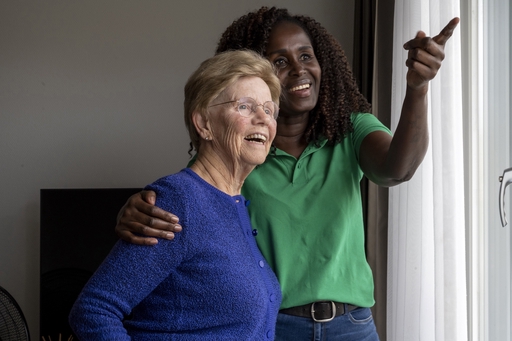

How does diabetes live in care support your loved one?
Our diabetes care at home service is designed to offer a personalised approach that takes into account the specific needs of your loved one. Whether they need help managing their daily routine, or require more hands-on assistance with medication or mobility, we are here to provide comprehensive care.
Diabetes live in care can be particularly valuable where someone benefits from consistent support throughout their daily routine. Rather than expecting your loved one to adapt to a residential setting, support takes place in their own home and can be tailored around their lifestyle and diabetes management needs.
Blood sugar monitoring
Regular blood glucose monitoring is an important part of diabetes management. Depending on the person, our carers can support regular glucose checks. They can also help record readings and make sure concerns or unexpected changes are communicated clearly to your loved one's wider care or medical team.
Medication and insulin support
Medication varies between people with diabetes. Our carers can give support with prescribed oral medication, while the fully managed service provides medication management with oversight from a Care Consultant. Where insulin support is part of an agreed care plan, this is administered by a fully trained professional.
Hypoglycaemia and hyperglycaemia management
People living with diabetes may experience blood glucose levels that become too low or too high. Our carers are alert to changes in a person's behaviour and are trained to recognise common signs associated with hypoglycaemia and hyperglycaemia. They can then follow the person's agreed care plan and seek medical assistance if needed.
Nutrition and meal planning
Consultus carers can help with grocery shopping, meal preparation and maintaining regular eating routines, taking into account dietary recommendations given by a person's GP, diabetes team, or dietitian. Support is always personalised so that nutritious meals are enjoyable and fit your loved one's preferences.
Physical activity support
Regular physical activity can form part of a person's diabetes management plan and wider wellbeing. Our carers can encourage and accompany your loved one on gentle walks or help them keep up with activities that their healthcare professionals recommend.
Personal care and companionship
Diabetes live-in care can also provide support beyond clinical routines. Carers can assist sensitively with bathing, dressing, grooming, and mobility while providing regular companionship. Having consistent support from someone who understands your loved one's routine can help them retain independence while giving you additional reassurance.
Compare our live-in care services
Introductory live-in care
Managed live-in care
Carers carefully selected and vetted
Carers matched to meet your needs
Market leading carer induction training
Service is fully managed by us
Dedicated support from a local Care Consultant
Monitored by the Care Quality Commission (CQC)
24-hour centralised support
INDEPENDENT REGULATORY INSPECTION
Independently inspected and regulated by the Care Quality Commission
Our managed live-in care service is assessed across five key inspection domains - all rated Good
- SAFE
- EFFECTIVE
- CARING
- RESPONSIVE
- WELL-LED
Rating applies to managed live-in care service. Introductory service is not CQC regulated.
CQC Regulated
Overall: Good

Tonbridge Business Awards
Winner 2025
.jpg?size=md)
Palliative & EOL Care Awards
Winner 2025

Homecare Association
Member

homecare.co.uk
Rated & Reviewed
- CQC OVERALL RATING: GOOD
Independently inspected and regulated by the Care Quality Commission
Our managed live-in care service is assessed across five key inspection domains - all rated Good
What does CQC regulation mean for your family?
Our fully managed live-in care service is regulated and inspected by the Care Quality Commission (CQC), England's independent regulator of health and adult social care. This means our managed carers are supervised and accountable to a regulated framework - and our service is rated Good across all five CQC inspection domains.
Our introductory live-in care service introduces you directly to a self-employed carer. This service is not CQC regulated, as the carer works for you independently. We will always guide you to the service that genuinely meets your needs.
Managing hypoglycaemia and hyperglycaemia at home
Two potentially serious problems associated with diabetes are hypoglycaemia, when blood glucose falls too low, and hyperglycaemia, when it becomes too high. Being aware of a person's usual readings, symptoms, and treatment plan means that carers are able to spot when something is wrong and take action.
Signs of a hypoglycaemic episode (low blood sugar)
Signs can include:
Shaking or trembling
Sweating or pale skin
Confusion or difficulty concentrating
A rapid heartbeat
Hunger or nausea
A trained carer will act quickly, providing fast-acting carbohydrates such as glucose tablets or fruit juice, and contact medical services if the episode is severe.
Signs of a hyperglycaemic episode (high blood sugar)
Signs can include:
Excessive thirst
Frequent urination
Headaches
Fatigue or blurred vision
Fruity-smelling breath, which can be associated with diabetic ketoacidosis and requires urgent medical attention
Carers monitor for these signs throughout the day and can make sure your loved one's medical team is informed if readings remain elevated.
Benefits of live-in diabetes care
When choosing the best care option for your loved one, live-in care and live-in care for couples offers several advantages over moving into a residential or nursing home.
Remaining in the comfort of their own home can have a positive impact on your loved one’s emotional well-being and sense of security. Being surrounded by familiar belongings and a familiar routine can help reduce anxiety and stress.
In a care home, care is typically shared amongst multiple residents. With live-in care, your loved one receives one-to-one attention from a carer who gets to know them personally, providing care that is tailored to their unique needs and preferences.
Live-in care allows your loved one to maintain a greater degree of independence. Our carers encourage your loved one to participate in their daily routine as much as possible, fostering a sense of control and self-sufficiency.
Live-in care allows family members to remain closely involved in their loved one’s care, offering peace of mind and the ability to play an active role in their life.

How we provide diabetes care at home
At Consultus Care and Nursing, we offer three distinct live-in care services for those living with diabetes. We are committed to ensuring our clients receive the right level of care that meets their needs, whilst providing choice as to how their care arrangement is managed.
This flexibility means diabetes live in care can be tailored to the amount and type of assistance a person requires, while allowing them to continue living in familiar surroundings.

Introductory live-in care
With our introductory live-in care service, we recruit a self-employed carer who works in your home for you, independently of us. In contrast to our managed live-in care service, with introductory care, we do not direct, supervise or manage the carers we introduce to you, and the carers are paid directly by you.

Managed live-in care
Our fully managed live-in care service is regulated by the Care Quality Commission (CQC) in England, which results in regular inspections to ensure the care we provide is of the highest standard. We fully manage the service, which means carers are supervised, managed and monitored by us when working in a client’s home.

Diabetes care at home - frequently asked questions
Insulin support will depend on the person's individual care arrangement, prescribed insulin regimen, and care plan. Where insulin administration is included, it should only be provided by someone with the appropriate training and in accordance with instructions from the person's healthcare professionals. Consultus can assess an individual's requirements before care begins and explain what support can safely be given. This ensures that any insulin-related assistance is appropriate to the person and integrated into their wider diabetes management plan.
Hypoglycaemia, commonly called a hypo, happens when blood glucose becomes too low, generally below 4 mmol/L. Signs can include shaking, sweating, confusion, hunger, and a rapid heartbeat. Hyperglycaemia, or a hyper, means blood glucose is too high and may cause excessive thirst, frequent urination, fatigue, and blurred vision. Both need appropriate attention. Someone providing diabetes support should understand the individual's agreed care plan and know when medical advice or urgent assistance is required.
A continuous glucose monitor provides regular glucose readings throughout the day and night and can alert the user when levels move outside a specified range. Where appropriate to the individual's care plan, a carer can support someone who uses a CGM by helping them check readings and respond appropriately to alerts. The exact support provided should reflect the person's needs, the device being used and instructions from their diabetes healthcare team.
Consultus provides different live-in care options depending on the level of support required. Diabetes live-in care allows an individual to remain in their own home with a carer available to support everyday routines such as meals, personal care, mobility, and appropriate diabetes-management tasks. For people with more complex clinical requirements, live-in nursing may be more appropriate. A Care Consultant can discuss each person's circumstances and help the family determine which service best matches their needs.
The cost of diabetes care at home depends on the service chosen and the complexity of the person's individual support requirements. Someone requiring primarily practical assistance may have very different needs from a person requiring more complex nursing support. Consultus is committed to transparent pricing, so families can understand the expected costs before putting care in place. Contact the team to discuss your circumstances and the most suitable care option, or see the live-in care costs page for further information.
A person may benefit from additional support if they are finding it increasingly difficult to follow their established diabetes-management routine independently. Examples can include missed medication, difficulty preparing appropriate meals, problems monitoring blood glucose or repeated episodes of low or high blood sugar. Changes in mobility, eyesight, weight or general health can also make everyday management harder. If you are concerned about a loved one, their healthcare team can advise on their medical needs, while Consultus can discuss suitable home-care support.
Healthy routines can complement, but should never replace, prescribed medication or advice from a diabetes healthcare team. Depending on the individual's circumstances, helpful habits can include staying appropriately hydrated, eating a balanced diet, maintaining regular physical activity, monitoring blood glucose as advised, and following prescribed medication routines. Sleep and stress management can also support general wellbeing. Diabetes live in care can help someone maintain consistent daily routines where managing these independently has become difficult.
Water is generally a suitable choice for staying hydrated because it does not contain sugar or carbohydrates. Unsweetened drinks may also be appropriate, whereas sugary drinks can increase blood glucose quickly and may need to be limited depending on the individual's diabetes management plan. However, there is no drink that should be treated as a substitute for prescribed diabetes treatment. Anyone considering significant changes to their diet or fluid intake should first discuss them with their GP, diabetes nurse or dietitian.
Lifestyle recommendations vary according to the individual, but may include maintaining a healthy weight, eating a balanced diet, taking regular physical activity, limiting alcohol and stopping smoking. Consistently following prescribed medication and blood-glucose monitoring advice is also important. Sleep and stress management can contribute to wider wellbeing. A person's diabetes healthcare team should provide individual advice, while diabetes care at home can provide practical day-to-day support with maintaining the routines they have recommended.
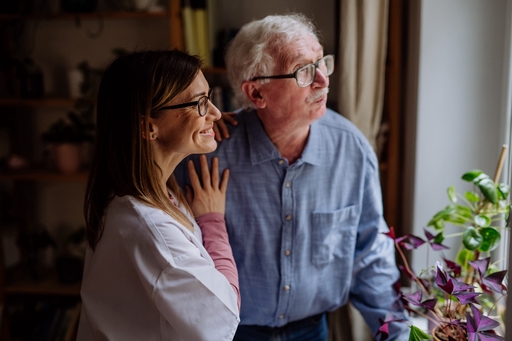


How much does diabetes care at home cost?
The cost of live-in diabetes care varies depending on the level of support required and your loved one’s specific needs. We are committed to transparent pricing, with no hidden fees, so you know exactly what to expect.
Navigating the costs of care can feel overwhelming, which is why our Care Consultants are here to help. We will support you in exploring your options and finding a solution that works for your family.
Become a carer
Why choose Consultus Care and Nursing?

One of the longest-established and most trusted providers
Founded in 1962, we have always been innovators in live-in care and live-in nursing. With over 60 years’ experience, we are one of the country’s longest-established, most highly recommended and experienced providers.

Unrivalled choice and control over your care
We understand that every person’s needs are different and every family’s situation is unique. With our choice of fully managed live-in care and nursing, and our introductory service, we offer more flexibility and personalisation than any other provider.

Highly trained nurses and carers
We are nationally recognised for the quality of our nurses and carers. With market-leading training, delivered at our own, multi-award-winning training centre, they provide exemplary, compassionate care tailored to individual needs, offering total peace of mind for clients and their families.

Expert care and support, dedicated to you
Our Care Consultants oversee our nursing and managed care services supporting only a small number of families. This means our service is truly personal, with unrivalled support and continuity of care. Reassurance that we are there when you need us most.

Family-founded, family-owned
We continue to be a family-owned and family-managed business. The largest wholly family-owned live-in care provider in the UK, we focus on what our clients and their families need from a high-quality care service, not on meeting investors’ expectations.
Download our brochure
To find out more about our award-winning live-in care services, download our brochure below.

.png?aspect-ratio=131%3A89)
.png?aspect-ratio=27%3A14)



.jpg?aspect-ratio=421%3A289)
Looking for live-in care?
Please fill out the enquiry form below and we will aim to contact you within 24 hours. Looking to work for Consultus Care and Nursing? Please apply here.