



Brain injury care at home
At Consultus, we understand that every journey is unique. Our brain injury home care services provide specialist live-in support in the comfort of your own surroundings, helping people living with acquired or traumatic brain injuries maintain their independence and quality of life. With more than 60 years' experience, our CQC-regulated managed care service combines support from trained carers with qualified registered nurses where clinical care is required. Read on to explore your options or get in touch with our team.
.png?size=md)
Overall rating:
- Good
All 5 domains rated Good
Established since 1962
Independently inspected - managed service
Specialist brain injury recovery care at home
Caring for a loved one who has endured a brain injury can be an overwhelming and upsetting experience. At Consultus Care and Nursing, we understand the complexities and difficulties that come with this journey. Our aim is to provide highly personalised live-in care that ensures your loved one receives the professional support they need in the comfort of their own home. With our dedicated and compassionate carers by their side, your loved one can continue to live with dignity, surrounded by familiar routines and a comforting environment, essential to their recovery and well-being.
Our home care for brain injuries is tailored around the individual's needs and stage of recovery, with support that can adapt as those needs change.
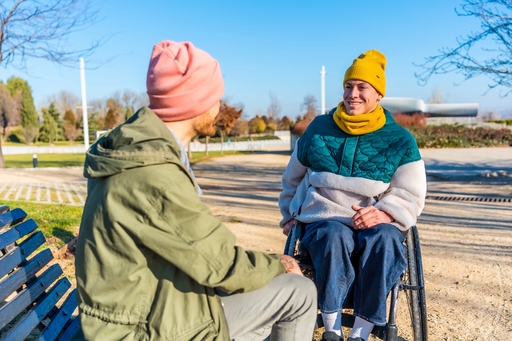

What is a brain injury?
A brain injury is any damage to the brain that impairs its function, and it can happen suddenly as a result of trauma (such as a fall or car accident), stroke, or an illness. Brain injuries can range from mild to severe, with symptoms varying widely depending on the area of the brain affected and the extent of the damage. Common forms of brain injuries include traumatic brain injuries (TBIs), acquired brain injuries (ABIs), and strokes. Each type of brain injury presents unique challenges, affecting cognition, memory, communication, physical abilities, and emotional well-being.
While the effects of a brain injury can be life-altering, both for the individual and their family, with the right care and support, it is possible to enhance recovery and quality of life. Our live-in care service provides a dedicated carer who is experienced in supporting individuals with brain injuries, helping them to achieve the best possible outcomes.
Brain injury symptoms
A brain injury can affect a person in a wide range of ways, depending on the location and severity of the damage. Symptoms can vary considerably between individuals and may affect physical abilities, behaviour, thinking and everyday activities
Physical symptoms may include:
Headaches
Limb weakness or spasticity
Fatigue and sleep disturbance
Seizures or epilepsy
Incontinence
Speech and swallowing difficulties
Vision problems
Behavioural and cognitive symptoms may include:
Depression and anxiety
Difficulties with memory and concentration
Poor reasoning or judgement
A shortened attention span
Organisational difficulties
Challenges with everyday tasks
Our carers and nurses are trained to provide personalised support for people experiencing these and other effects of brain injury, helping them manage daily life with dignity and confidence at home.
For further information and support for people affected by brain injury and their families, Headway – the brain injury association provides specialist information and resources.

Talk to us today
If you or a loved one would like to learn more about our live-in care services, our friendly care advisors are here to help. Call us today on 01732 496715 or fill out our contact form. We will guide you through your options to ensure that you make the right choice for you and your family's needs.
Caring for different types of brain injuries
Every brain injury is unique, and the level of care needed will vary based on the severity of the injury and its long-term effects. Our carers are trained to provide tailored care that reflects the individual needs of your loved one.
A traumatic brain injury (TBI) is caused by an external force or impact to the head, such as a fall, road traffic accident, or other injury. The effects of a traumatic brain injury vary considerably, so our traumatic brain injury home care is tailored to each person's physical, cognitive, and emotional needs, supporting rehabilitation, daily routines, and greater independence at home.
An acquired brain injury (ABI) happens after birth and may result from causes such as stroke, illness, lack of oxygen, or a brain tumour. Our acquired brain injury home care provides personalised support based on a person's abilities, challenges, and rehabilitation goals. Where more complex support is
A stroke can cause lasting changes to movement, speech, memory, cognition, and everyday functioning. Our brain injury home care gives personalised support after a stroke, working alongside healthcare and rehabilitation professionals to help someone live as safely and independently as possible at home.
We also provide specialist home care for individuals living with the effects of:
Brain aneurysm – a weakened area in a blood vessel in the brain that can affect brain function if it ruptures or requires treatment.
Brain haemorrhage – bleeding within or around the brain that can cause a range of physical, cognitive and emotional effects.
Brain tumour – an abnormal growth in or around the brain that may affect movement, communication, cognition or other functions.
Encephalitis – inflammation of the brain that can lead to ongoing physical, cognitive or behavioural changes.
Hydrocephalus – a build-up of fluid around the brain that can affect movement, balance, cognition and everyday functioning.
Hypoxic and anoxic brain injury – damage caused by reduced or absent oxygen supply to the brain.
Meningitis – inflammation around the brain and spinal cord that can sometimes result in lasting neurological difficulties.
Carbon monoxide poisoning – exposure to carbon monoxide that can cause brain damage and lasting cognitive or physical difficulties.

Arrange a call back
Between work, family, and everything else, we know how hard it can be to find a quiet moment. There's no pressure and no rush — simply request a callback, and one of our friendly Care Advisors will call at a time that's right for you.
Different stages of brain injury recovery
The recovery journey following a brain injury can be unpredictable, with periods of improvement and then potential setbacks. We are here to support your loved one through every stage of their recovery, providing the care and support they need to live as independently and comfortably as possible.
During the initial recovery period, individuals may require extensive care, including assistance with feeding, personal care, and mobility. Our carers provide one-to-one round-the-clock support, working closely with healthcare professionals to ensure all care needs are met, while also focusing on maintaining your loved one's dignity and comfort.
As recovery progresses, the focus shifts to rehabilitation and regaining lost abilities. Our carers work alongside physiotherapists, speech therapists, and occupational therapists to help with exercises and routines that promote cognitive, physical, and emotional recovery. Encouragement and patience are key, as this stage can often be a slow process, but our carers are there to provide unwavering support.
For individuals with permanent brain injuries, long-term care may be required to manage on-going symptoms and maintain the highest possible quality of life. Our carers provide consistent support, helping with daily activities such as personal care, meal preparation and mobility, while also ensuring that your loved one remains engaged in meaningful activities that promote well-being.

How does brain injury care at home support your loved one?
At Consultus Care and Nursing, our live-in brain injury care service is designed to provide both practical assistance and emotional support, ensuring that your loved one has the best possible chance of recovery and enjoys a good quality of life. Our carers work closely with you and your family to develop a bespoke care plan that evolves as your loved one’s condition improves or changes.
Providing home care for brain injuries allows this support to take place in familiar surroundings, with care centred around your loved one’s established routines, preferences, and rehabilitation goals.
Our brain injury care at home typically includes:
Personal care: Assistance with daily activities such as washing, dressing, and grooming, ensuring your loved one maintains their personal hygiene and dignity.
Rehabilitation support: Our carers work alongside healthcare professionals to assist with rehabilitation exercises that are key to the recovery process.
Medication management: Our carers are trained in medications management. They ensure medications are taken on time, prescriptions are available when needed and medication regimes are closely monitored and managed, with oversight from a Care Consultant local to you.
Nutritional support: Our carers can plan and cook healthy, balanced meals tailored to your loved one’s dietary needs, supporting their overall health and recovery.
Mobility assistance: Whether your loved one needs help with walking, moving in and out of bed, or using mobility aids, our carers are trained to offer safe and supportive mobility assistance.
Emotional support: Brain injuries can lead to significant emotional changes, such as depression, frustration, or anxiety. Our carers provide compassionate companionship, offering reassurance and understanding throughout the recovery process.
Become a carer
Benefits of live in brain injury care
Many people believe if they have acquired a brain injury that to get the care they need, they have to move into a residential care home or specialist facility. Live in care is a real alternative, and offers many unique benefits to those recovering from or living with a brain injury.
Home care for brain injuries allows someone to receive one-to-one support while staying in familiar surroundings, which can be important when changes to cognition, memory, or behaviour make unfamiliar environments a challenge.
Remaining in the comfort of their own home can reduce confusion, anxiety, and frustration for someone recovering from a brain injury. Familiar surroundings provide a sense of security and continuity that is vital during the rehabilitation process.
In a residential care setting, care is often shared amongst multiple residents. With live-in care, your loved one receives one-to-one attention from a carer who is fully dedicated to meeting their unique needs and preferences.
Maintaining a consistent routine is essential to support recovery from a brain injury, as it helps reduce stress and promote independence. Our carers work hard to ensure that your loved one’s daily routine is preserved, with gradual changes introduced as needed.
Live-in care allows family members to remain closely involved in their loved one’s care, offering peace of mind and the ability to provide support and encouragement.

How we provide brain injury care at home
At Consultus Care and Nursing, we offer two distinct live-in care services for those living with a brain injury. We are committed to ensuring our clients receive the right level of care that meets their needs, whilst providing choice as to how their care arrangement is managed.

Managed live-in care
Our fully managed live-in care service is regulated by the Care Quality Commission (CQC) in England, which results in regular inspections to ensure the care we provide is of the highest standard. We fully manage the service, which means carers are supervised, managed and monitored by us when working in a client’s home.

Clinical support we provide
Our experienced carers and registered nurses can support people living with brain injuries who have a range of complex clinical needs. Care is always tailored to the individual and delivered with dignity, compassion and respect.
Depending on a person's care plan and clinical requirements, support may include:
Tracheostomy care
Ventilator support
Gastrostomy tube feeding
Suction and cough assist devices
Epilepsy and seizure management
Positive behaviour support
Medication administration
Moving and positioning
Continence care
We understand that complex care can feel daunting for individuals and their families. Our team works closely with healthcare professionals and families to provide consistent, person-centred support in the comfort of home. All complex clinical care is delivered or overseen by a qualified registered nurse.
Why choose Consultus Care and Nursing?

One of the longest-established and most trusted providers
Founded in 1962, we have always been innovators in live-in care and live-in nursing. With over 60 years’ experience, we are one of the country’s longest-established, most highly recommended and experienced providers.

Unrivalled choice and control over your care
We understand that every person’s needs are different and every family’s situation is unique. With our choice of fully managed live-in care and nursing, and our introductory service, we offer more flexibility and personalisation than any other provider.

Highly trained nurses and carers
We are nationally recognised for the quality of our nurses and carers. With market-leading training, delivered at our own, multi-award-winning training centre, they provide exemplary, compassionate care tailored to individual needs, offering total peace of mind for clients and their families.

Expert care and support, dedicated to you
Our Care Consultants oversee our nursing and managed care services supporting only a small number of families. This means our service is truly personal, with unrivalled support and continuity of care. Reassurance that we are there when you need us most.
Family-founded, family-owned
We continue to be a family-owned and family-managed business. The largest wholly family-owned live-in care provider in the UK, we focus on what our clients and their families need from a high-quality care service, not on meeting investors’ expectations.

How much does brain injury care at home cost?
The cost of live-in brain injury care varies depending on the level of support required and your loved one’s specific needs. We are committed to transparent pricing, with no hidden fees, so you know exactly what to expect.
Navigating the costs of care can feel overwhelming, which is why our Care Consultants are here to help. We will support you in exploring your options and finding a solution that works for your family.
How to fund brain injury care at home
Understanding how to fund care at home can feel complicated, particularly when someone is adjusting to life after a brain injury. There are several potential funding routes to explore, depending on an individual's needs and circumstances.
NHS Continuing Healthcare (CHC) – People with complex, ongoing healthcare needs following a brain injury may be eligible for NHS Continuing Healthcare funding. Where an individual is assessed as eligible, the NHS can fund their assessed health and social care needs. Eligibility is determined through the relevant Integrated Care Board.
Local authority funding – A care needs assessment by the local authority can help determine whether an individual is eligible for financial support towards their care. Eligibility and the level of funding available will depend on their assessed needs and financial circumstances.
Attendance Allowance and Personal Independence Payment (PIP) – These benefits may provide financial support towards the additional costs associated with disability or care needs, depending on the individual's circumstances and eligibility.
Self-funding – For families funding care themselves, Consultus can help you understand your care options and the cost of live in care or nursing at home.
If you're unsure which funding options may be available, speak to the Consultus team for a personalised conversation about your circumstances and care needs.
Frequently asked questions about brain injury home care
For additional information and community support, families can also visit Headway – the brain injury association and The Silverlining brain injury charity.
Consultus provides personalised care for people living with a wide range of brain injuries, including traumatic and acquired brain injuries, stroke, brain aneurysm, haemorrhage, encephalitis, hydrocephalus, and hypoxic or anoxic brain injury. Every person's needs are different, so we recommend speaking to our team to discuss your circumstances and arrange a personalised assessment.
Yes. Live-in brain injury care can provide dedicated one-to-one support in the familiar surroundings of home. For some people, staying in a familiar environment can help reduce anxiety and confusion, while consistent support from a dedicated carer can help maintain routines and support rehabilitation goals. Care is tailored to the individual's needs, preferences and recovery journey.
Caring for someone with a brain injury involves personalised support based on their individual needs and stage of recovery. This may include personal care, medication management, mobility and positioning support, help with everyday activities, and emotional companionship. Consultus carers work closely with families and healthcare professionals to provide consistent care, with all complex clinical needs delivered or overseen by a qualified registered nurse.
Our brain injury carers can support people with a range of complex clinical needs, depending on their individual care plan. This may include tracheostomy care, gastrostomy tube feeding, epilepsy and seizure management, medication administration and positive behaviour support. Our carers work alongside healthcare professionals and families to provide consistent care, with all complex clinical needs delivered or overseen by qualified registered nurses.
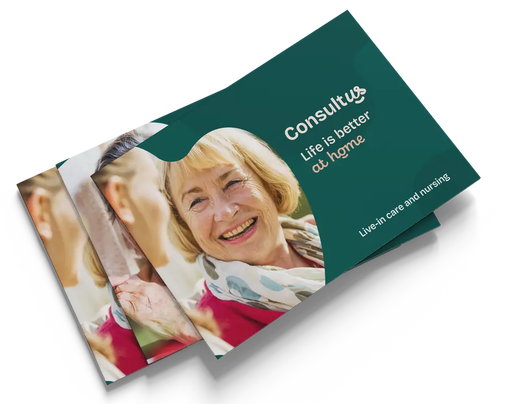
Download our brochure
To find out more about our award-winning live-in care services, download our brochure below.
.png?aspect-ratio=131%3A89)
.png?aspect-ratio=27%3A14)



.jpg?aspect-ratio=421%3A289)
Looking for live-in care?
Please fill out the enquiry form below and we will aim to contact you within 24 hours. Looking to work for Consultus Care and Nursing? Please apply here.