What Is Assisted Living? A Complete Guide for Families
Learn what assisted living means, what it includes and how assisted living at home can help elderly people stay safe, comfortable and independent.
Learn what assisted living means, what it includes and how assisted living at home can help elderly people stay safe, comfortable and independent.

Watching someone you love struggle with everyday tasks can feel difficult, especially if an older adult is finding it increasingly harder to dress themselves, climb stairs, or step into the shower.
An assisted living elderly service could be a suitable solution, as it creates a safer and more supportive environment for the person you love while helping to restore their independence.
Fortunately, your loved one doesn’t have to move away from their home to receive the help they need, as assisted living at home serves as a superb alternative to a care home. It allows your loved one to remain in their familiar surroundings while receiving around-the-clock support from a dedicated live-in carer.
So, what is assisted living? Read our complete guide for families to learn what it is, who it is for, and how it could benefit your loved one.
Like many families, you might be eager to learn what does assisted living mean and how it will help your family member. If so, you’ll be happy to know that assisted living provides your loved one with dependable support in the home to enhance their comfort, safety, and quality of life.
For instance, a live-in carer helps your loved one with various daily tasks, including:
Personal care
Meals
Medication management
Mobility support
Companionship
Assisted care provides your loved one with around-the-clock support, boosts their independence, and reduces feelings of loneliness and social isolation.

Many people turn to an assisted living elderly service when an ageing parent, partner, or loved one finds it increasingly difficult to complete daily tasks.
Assisted living for seniors is also a practical solution for those living alone, as your family member enjoys regular companionship and physical and emotional support each day and night.
Any family worried about a loved one’s safety and wellbeing at home should consider assisted living, as it isn’t restricted to age.
For instance, assisted living can provide extra support for people of all ages recovering from a serious illness or surgery. This around-the-clock support and attention provides your loved one with the help they need to recover more quickly.

Assisted care provides your loved one with practical support in the home, improving their quality of life and allowing them to focus on tasks that bring them joy.
For instance, your family enjoys peace of mind that your loved one receives assistance with washing, dressing, and grooming, as well as medication prompts to protect their health and wellbeing.
Assisted living support removes much of the household pressure, as a live-in carer will go shopping, prepare meals, and complete light housework tasks. A carer also provides regular mobility support when needed, allowing your loved one to move safely across the home with greater confidence.
Our team also carefully matches a live-in carer to your family member’s specific needs and personality, helping them develop genuine companionship. As a carer lives in your loved one’s home full-time, they can provide overnight reassurance that help is only a call away.

If your loved one struggles to climb stairs alone, finds cooking meals physically taxing, or is worried about stepping in and out of the shower, assisted living could be the right solution for their needs.
While residential assisted living or extra-care housing provides extra support from a professional care team, most older adults would prefer to receive care at home.
Unlike the above facilities, assisted living at home allows your loved one to receive one-to-one support in the familiarity of home. As a result, your family member can maintain their daily routine, keep their pets and belongings, and enjoy more independence at home.
Your family can also relax in the knowledge that a dedicated live-in carer provides your loved one with 24/7 support. It differs from an assisted living facility, which often has a rotation of carers whose attention is divided between residents.

With many care options available, you might be scratching your head about the difference between assisted living, live-in care, and home care.
It may help to know that the services overlap, as both assisted care and live-in care offer around-the-clock support from a dedicated carer living in a person’s home.
We often use the three terms interchangeably to describe our 24-hour live-in care service, ensuring we reach families with varying needs.

If your loved one displays signs they need more help, you might be considering whether an assisted living elderly service is the right option for their specific needs. We understand that arranging assisted living at home for a loved one is a huge decision, and one you won’t make lightly.
However, it may be the best solution if you’re worried that your family member is feeling lonely, or if you’re becoming increasingly concerned about their safety and comfort at home.
Assisted living for seniors reduces your family’s stress levels, as it promotes your loved one’s independence, increases safety at home, and provides around-the-clock companionship.
As the person you love can remain in their familiar surroundings, your family member never has to say goodbye to their belongings, pets, and memories.
Your relative also enjoys greater continuity of care compared to a care home. The same live-in carer supports them and develops a strong understanding of your loved one’s lifestyle, health needs, and personality, helping create a more personalised daily routine to match their needs.

Your loved one’s assisted living cost depends on their specific needs, required hours of support, and the care setting.
Families can access various options for funding care, which include:
Local authority support – Your local council may provide means-tested funding (those with income and capital under £14,250 are entitled to maximum funding)
NHS Continuing Healthcare (CHC) – The NHS pays 100% of care costs (inc. live-in care) if you have a complex, unpredictable, or intense medical condition.
Self-Funding – If your loved one doesn’t qualify for NHS CHC or has an income or capital exceeding £23,250, your family may need to self-fund an assisted living service.
Find out more about funding live-in care and the various options available to make an informed choice.
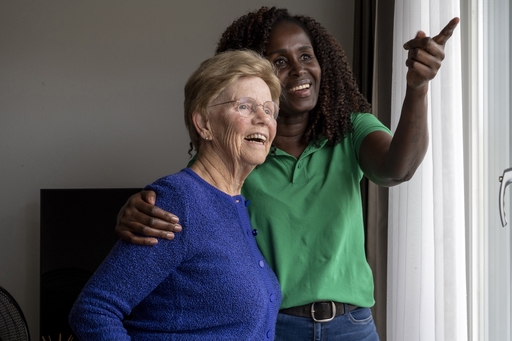
If your parent, partner, or another loved one appears to be struggling at home, you might be debating whether assisted care is suitable for their needs.
However, some clear signs indicate that your family member might require help from a live-in carer. For instance, they might have:
Experienced a fall at home
Missed medication
Poor nutrition
Feelings of loneliness or social isolation
Declining mobility
Difficulty managing personal care
Families often choose an assisted living elderly service as a practical alternative if a family carer is struggling with burnout, as a live-in carer can take over their daily duties and adapt to a loved one’s evolving needs.

We often speak to families who are questioning whether assisted living for seniors is the best option for their elderly loved one’s needs.
For this reason, we recommend carefully assessing your family member’s specific care requirements to make an informed decision.
You also should involve your loved one in the decision-making process to make the right choice for their wants and needs. For instance, your loved one may prefer to remain at home rather than move into a care home, or vice versa.
Take the time to compare the various assisted living at home and residential options available, reviewing their pros and cons, to ensure you’re 100% confident in your chosen care option.
Remember to keep your loved one’s future care needs in mind when making your decision, ensuring the service complements their evolving requirements.
If in doubt, call a potential care provider to learn more about their care options, costs, and services.
To learn more about elderly care at home, please don’t hesitate to call our friendly team today or request a callback online.

Claire joined Consultus in December 2024, bringing four years of marketing expertise in brand development, content creation, and communications. A Media Practice BA (Hons) graduate from the University of Sussex, Claire develops engaging digital content and print assets to enhance Consultus Care's communications.

Give us a call to discuss your needs with one of our friendly, expert Care Advisors. They will guide you through your options to ensure you make the right choice for you and your family.
To find out more about our award-winning live-in care services, download our brochure below.