A Complete Guide to Convalescent Care
Learn what convalescent care is, who needs it and how to arrange post-surgery or post-illness recovery care at home in the UK with this complete guide.
Learn what convalescent care is, who needs it and how to arrange post-surgery or post-illness recovery care at home in the UK with this complete guide.

“What is convalescent care?” is a common question many families have when learning about the term for the first time. While it might sound complicated, it serves as a bridge between a hospital stay and a return to independence.
Convalescent care is ideal for those who require short-term recovery support after a serious illness, a major surgical procedure, or a debilitating injury. Lasting from a few weeks to a couple of months, it provides a person with practical assistance in their home, emotional reassurance, and continuous rehabilitation encouragement.
It is easy to feel overwhelmed when you first start asking: what is convalescent care? However, we’re here to change that. Convalescent care isn’t a permanent care option. Instead, it provides a person with short- to medium-term support following a significant health event, a serious illness, or surgery.
Its purpose is to support a person’s recovery following a hospital stay and rebuild their confidence and strength. This ensures they are mentally and physically ready to return to an independent lifestyle at home.
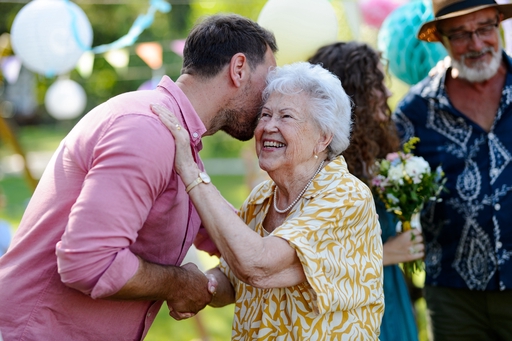
Many people leaving the hospital could benefit from convalescent care at home, as it helps people safely recover and return to their daily routine.
You or a loved one could benefit from convalescent care if you have recently had:
Surgery, such as hip, knee, or cardiac
A stroke or TIA
A serious illness, such as pneumonia or having had cancer treatment
A fall or fracture in older adults
It is also a suitable option for those who have been discharged from the hospital before they are fully ready.
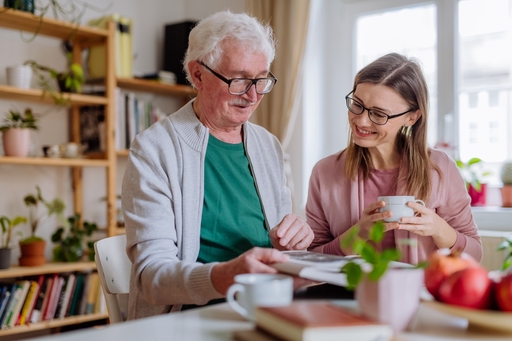
Convalescent care is available at home or in a local care home, and it is essential to select the most suitable setting for an individual’s specific needs.
Convalescent care at home allows a highly trained live-in carer to care for a loved one’s needs in their familiar environment. This helps to reduce stress and improve general comfort, which supports a speedy recovery and a better outcome. Research has shown that people have a faster recovery at home. However, a care home might be a more suitable option for those with high clinical needs or if their home isn’t suitable for a live-in care service.s.

A convalescent care service provides a person with consistent support day and night, helping them make a swift recovery.
For instance, a live in convalescent care service covers:
Personal care (bathing, grooming, and toileting)
Meal preparation
Mobility and physio support
Medical appointments
Health monitoring
Light domestic tasks
Companionship
This provides a family with peace of mind that their loved one will receive daily support to recover quickly and effectively at home.

Now you’ve got the answer to “what is convalescent care?”, your next question might be how long it can last? The truth is, there isn’t a fixed duration for the service, as a person’s health and needs determine the length of time.
For example, if you or a loved one recently had a straightforward surgery with no added complications, convalescent care is likely to last for a few weeks. However, if someone else had a stroke or underwent a complex surgical procedure, convalescent care could last for months.
Rather than restricting your loved one’s recovery journey to a rigid schedule, a provider is likely to review a care plan along the way, which can be adjusted when necessary.

Once a patient is medically stable following a short or long-term stay, a hospital may declare a patient Medically Fit for Discharge (MFFD). This means they no longer need hospital treatment but may indicate they aren’t safe to leave.
While it might sound like wonderful news at first, being medically fit doesn’t mean a person has made a full recovery and can return to their normal life. While they may no longer need IV medication or around-the-clock monitoring, they might still have a long road ahead before they can feel like their normal self.
A person might struggle to walk, safely climb and descend stairs, feed themselves, or bathe. As a result, a hospital might recommend convalescent care at home or a care home before a patient leaves.
Fortunately, you can arrange post operative home care right away, allowing a loved one to say goodbye to a ward and kickstart the recovery process in the place most familiar to them. As a result, a live-in carer could arrive at their property before discharge, helping to provide a seamless transition from the hospital.
The around-the-clock physical and emotional support can have a significant impact on your family member’s recovery while helping to boost their confidence along the way. When the time comes for a live-in carer to leave, the person you love will feel happy, healthy, and ready to resume their daily routine.

It is essential to talk to the hospital discharge coordinator as soon as possible to discuss the most appropriate care options for your loved one. During these discussions, make sure to bring up their ongoing care requirements and incorporate them into their care plan.
At this point, don’t hesitate to request a functional and needs assessment, as this carefully assesses a patient’s medical and functional needs. The assessment checks if a patient can safely get in and out of bed, use the toilet, and prepare basic meals. It also carefully assesses their mobility, balance, and fall risk, with the purpose of identifying the most appropriate recovery option for a patient, which may include home-based reablement, a care home stay, or long-term specialised care.
Whether your loved one needs recovery care after surgery, an illness, or a serious health event, Consultus Care and Nursing can help. Our bespoke convalescent care service helps you or the person you love make a full recovery. We can also rapidly place one of our experienced carers in their home to help make the transition as smooth and supportive as possible.
Please call our friendly team today or request a callback to learn more about our live-in care at home services, which can help restore your loved one’s independence.

Claire joined Consultus in December 2024, bringing four years of marketing expertise in brand development, content creation, and communications. A Media Practice BA (Hons) graduate from the University of Sussex, Claire develops engaging digital content and print assets to enhance Consultus Care's communications.

Give us a call to discuss your needs with one of our friendly, expert Care Advisors. They will guide you through your options to ensure you make the right choice for you and your family.
To find out more about our award-winning live-in care services, download our brochure below.