A Complete Guide to Companionship Care
Find out what companionship care is, who benefits from it and how it supports the long-term health and wellbeing of older adults living at home in the UK.
Find out what companionship care is, who benefits from it and how it supports the long-term health and wellbeing of older adults living at home in the UK.

While loneliness can affect people of all ages, older adults are more vulnerable to social isolation. In the UK alone, approximately 1.4 million elderly people are chronically lonely, with some going a whole week without talking to a single person.
As more than 2 million people aged 75 and over in England live alone, they are at risk of experiencing feelings of loneliness, social isolation, and depression. Fortunately, companionship care provides an older adult with regular conversation, emotional support, and help in the home. As a result, it allows a senior to live a more meaningful life as they grow older.
Continue reading to find out the answer to questions like "what is companionship care?" and discover how it could benefit your loved one.
So, what is companionship care? It is home-based support that improves your loved one's emotional wellbeing and social interaction, rather than focusing on their personal or clinical care.
It is an ideal solution for an elderly person who is eager to enjoy a meaningful social connection. After all, a compassionate carer is always there to chat, laugh, and share hobbies and interests each day and provide emotional support at night.
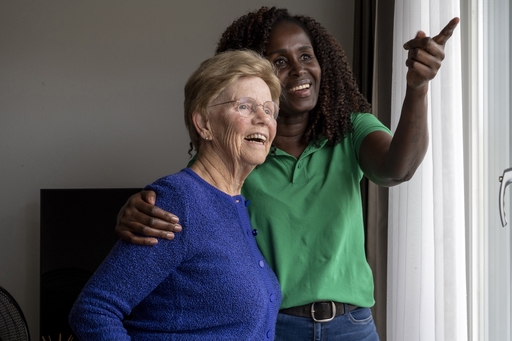
Many people can benefit from companionship care, including older adults living alone, people recovering from illness, or those with early-stage dementia.
Elderly companionship care can also benefit a person who has recently lost a loved one, as a carer can provide regular companionship, daily support, and meaningful conversations. As a result, an older adult might find it easier to adjust to life without the person they love, ensuring they feel less alone and have access to emotional support whenever they need it.
It is a helpful option for family carers who need to take regular breaks. This allows them to take a step back from their role while ensuring an ageing relative doesn't feel lonely or socially isolated.

Companionship care in the UK can improve your loved one's quality of life in many ways, ensuring they live well at home each day and night. Beyond emotional support and daily conversation, a highly trained carer accompanies your family member on various outings and embraces their hobbies; they could even read together.
In addition to helping your loved one maintain their routine and enjoy a healthy social life, the same consistent carer also offers support with light housekeeping, meal preparation, and transport to various appointments.

Many older adults are more vulnerable to loneliness due to the loss of their spouse and friends, which can make them feel socially isolated. Retirement can also lead to limited social connections, a loss of identity, and a less meaningful routine.
A senior may feel more alone when living with a chronic health condition or mobility issue, as they might find it increasingly difficult to leave the home each day. Living with a chronic illness or mobility issues can amplify these feelings if an elderly person doesn't have much family or if they live far away. As a result, they might crave daily conversation and connection each day.
Loneliness can affect not only a person's emotional health, but it takes its toll on their physical and mental health, too. For example, it increases an older adult's risk of high blood pressure, depression, and cognitive decline.
Research has found that loneliness is the equivalent of a person smoking 15 cigarettes per day, meaning regular social interaction can make a dramatic difference to their general health. For this reason, elderly companionship care could transform an older adult's health and quality of life.
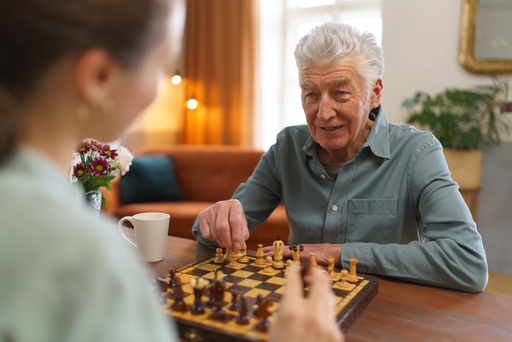
If you are considering arranging home-based support for an ageing loved one, you might be unsure about the differences between companionship care and personal care. However, both options suit different care needs.
So, what is companionship care, and how does it differ from personal care? Unlike personal care, which focuses on providing support with meals, medication, and personal care, companionship care focuses on improving an older person's social and emotional wellbeing.
Live-in care at home provides the best of both worlds, as your loved one receives regular assistance in the home and around-the-clock companionship. Many families often choose to start with companionship care and scale up if needed.

Arranging companion care at home doesn't have to be complex. Your chosen provider will complete an initial assessment to determine your loved one's needs. If you choose Consultus Care and Nursing, you can rest assured we will carefully match a fully trained carer to an older adult's specific interests and routine, helping them develop an instant rapport and genuine companionship.
We offer flexible companionship care options to suit an elderly person's needs and preferences. For instance, you can arrange for a carer to visit their home a few times per week or every day, and flexible hours are available.

Our companionship care UK service allows your loved one to receive regular social interaction in the familiarity of home. It is ideal for those looking to enjoy one-on-one connections outside of a group setting, and we can fully tailor our service to match your relative's needs.
You can enjoy peace of mind that your loved one is in safe hands when you choose our home care services. Many families often choose Consultus Care due to our compassionate carers' warmth, dedication, and relationship-building abilities.
Whether your loved one needs someone to hold their hand at an appointment, a familiar person to chat with while watching TV, or a friendly face to connect with over a specific hobby or activity, we can match your loved one with the right carer for their personality, needs, and lifestyle.
Please don't hesitate to call our helpful team or request a callback to learn more about live-in companionship care, which can help you decide if it is the right option for your loved one and family.

Claire joined Consultus in December 2024, bringing four years of marketing expertise in brand development, content creation, and communications. A Media Practice BA (Hons) graduate from the University of Sussex, Claire develops engaging digital content and print assets to enhance Consultus Care's communications.

Give us a call to discuss your needs with one of our friendly, expert Care Advisors. They will guide you through your options to ensure you make the right choice for you and your family.
To find out more about our award-winning live-in care services, download our brochure below.